
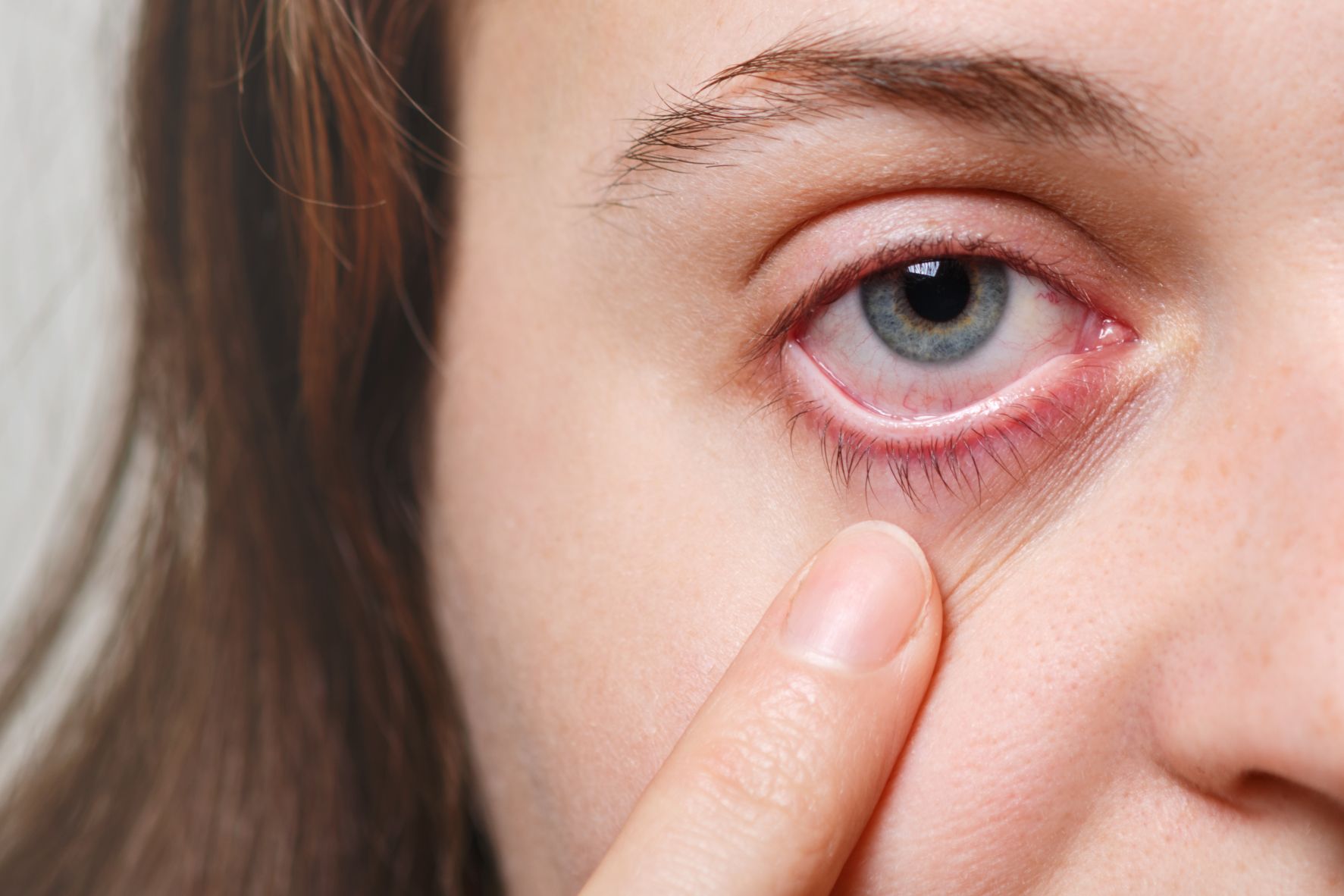
“Red Eye: Causes, Treatment, and When to See a Doctor”
“Understanding the red eye: from causes to care”
Introduction:
Red eye is a common condition that can be caused by a variety of factors, including allergies, infections, and eye injuries. In this article, we will discuss the causes of red eye, treatment options, and when it is important to seek medical attention from a doctor.
Allergies and Red Eye
Do you suffer from red, itchy eyes? You’re not alone! Many people experience red eye due to allergies. Allergies can be a real nuisance, especially when they affect your eyes. In this article, we’ll explore the causes of red eye related to allergies, how to treat it, and when it’s time to see a doctor.
Allergies are a common cause of red eye. When your body comes into contact with an allergen, such as pollen, pet dander, or dust mites, it triggers an immune response that can lead to red, itchy eyes. This is known as allergic conjunctivitis. If you have seasonal allergies, you may notice that your red eye flares up during certain times of the year when allergens are more prevalent.
Treating red eye caused by allergies can be a challenge, but there are several options available. Over-the-counter antihistamine eye drops can help relieve itching and redness. These drops work by blocking the release of histamines, which are chemicals that cause allergic reactions. It’s important to follow the instructions on the packaging and use the drops as directed.
In addition to eye drops, you can also try using a cold compress to soothe your eyes. Simply soak a clean cloth in cold water, wring it out, and place it over your closed eyes for a few minutes. This can help reduce inflammation and provide relief from itching.
If over-the-counter remedies aren’t providing relief, it may be time to see a doctor. Your doctor may prescribe stronger antihistamine eye drops or recommend other treatments, such as oral antihistamines or corticosteroids. In some cases, allergy shots may be necessary to help desensitize your body to allergens.
It’s important to remember that red eye can also be caused by other factors, such as infections or dry eye syndrome. If your red eye is accompanied by pain, discharge, or vision changes, it’s important to see a doctor right away. These symptoms could indicate a more serious underlying condition that requires medical attention.
In the meantime, there are steps you can take to help prevent red eye caused by allergies. Avoiding allergens as much as possible is key. Keep windows closed during peak allergy seasons, use air purifiers in your home, and wash your hands frequently to prevent allergens from coming into contact with your eyes.
In conclusion, red eye caused by allergies can be a frustrating and uncomfortable experience. By understanding the causes of red eye related to allergies and knowing how to treat it, you can find relief and get back to enjoying clear, comfortable vision. If over-the-counter remedies aren’t working, don’t hesitate to see a doctor for further evaluation and treatment. Remember, your eye health is important, so take care of those peepers!
Infections and Red Eye
Have you ever woken up with a red, irritated eye? It can be a common occurrence, but it’s important to understand the potential causes and when it might be time to seek medical attention. Red eye can be caused by a variety of factors, including infections. In this article, we’ll explore the causes of red eye due to infections, how it can be treated, and when it’s necessary to see a doctor.
One of the most common causes of red eye due to infection is conjunctivitis, also known as pink eye. This condition occurs when the thin, clear tissue that lines the inside of the eyelid and covers the white part of the eye becomes inflamed. Conjunctivitis can be caused by bacteria, viruses, or allergens, and it is highly contagious. Symptoms of conjunctivitis include redness, itching, discharge, and a gritty feeling in the eye.
If you suspect that you have conjunctivitis, it’s important to practice good hygiene to prevent spreading the infection to others. Wash your hands frequently, avoid touching your eyes, and avoid sharing towels or pillows. In most cases, conjunctivitis will clear up on its own within a week or two. However, if your symptoms are severe or persistent, it’s a good idea to see a doctor.
In addition to conjunctivitis, red eye can also be caused by other types of infections, such as keratitis or uveitis. Keratitis is an infection of the cornea, the clear, dome-shaped surface that covers the front of the eye. Symptoms of keratitis include redness, pain, sensitivity to light, and blurred vision. Uveitis is an inflammation of the uvea, the middle layer of the eye that includes the iris, ciliary body, and choroid. Symptoms of uveitis include redness, pain, blurred vision, and sensitivity to light.
If you suspect that you have keratitis or uveitis, it’s important to see a doctor as soon as possible. These infections can cause serious complications if left untreated, including vision loss. Your doctor may prescribe antibiotic or antiviral eye drops to treat the infection, as well as anti-inflammatory medications to reduce inflammation and pain.
In some cases, red eye due to infection may be a sign of a more serious underlying condition, such as herpes simplex virus or shingles. These infections can cause severe pain, vision loss, and other complications if not treated promptly. If you have a history of these conditions or if your symptoms are severe, it’s important to see a doctor right away.
In conclusion, red eye due to infection can be caused by a variety of factors, including conjunctivitis, keratitis, uveitis, herpes simplex virus, and shingles. While most cases of red eye will clear up on their own within a week or two, it’s important to see a doctor if your symptoms are severe or persistent. Your doctor can prescribe the appropriate treatment to help you recover quickly and prevent complications. Remember to practice good hygiene to prevent spreading the infection to others, and seek medical attention if you have any concerns about your eye health.
Dryness and Red Eye
Do you ever wake up with red, dry eyes that feel irritated and uncomfortable? If so, you’re not alone. Many people experience red eye from time to time, and it can be caused by a variety of factors. In this article, we’ll explore the causes of red eye, how to treat it, and when it’s time to see a doctor.
One common cause of red eye is dryness. When your eyes are not producing enough tears or the tears evaporate too quickly, they can become dry and irritated. This can lead to redness, itching, and a gritty feeling in the eyes. Dry eye syndrome is a common condition that can be caused by a variety of factors, including aging, certain medications, and environmental factors like dry air or wind.
If you’re experiencing red eye due to dryness, there are a few things you can do to help alleviate your symptoms. One simple solution is to use artificial tears or lubricating eye drops to help moisturize your eyes. These drops can help to soothe irritation and reduce redness. You can also try using a humidifier in your home to add moisture to the air, which can help prevent your eyes from becoming dry.
In addition to using eye drops and a humidifier, there are a few other things you can do to help prevent red eye caused by dryness. Make sure to blink regularly, especially when using a computer or staring at a screen for long periods of time. Taking breaks to rest your eyes can also help prevent dryness and irritation. And if you wear contact lenses, make sure to follow your eye doctor’s instructions for proper care and use.
While red eye caused by dryness is usually not a serious condition, there are times when it’s important to see a doctor. If your symptoms persist despite using eye drops and other home remedies, or if you experience severe pain, vision changes, or discharge from your eyes, it’s time to make an appointment with an eye care professional. These symptoms could be a sign of a more serious underlying condition that requires medical treatment.
In conclusion, red eye caused by dryness is a common condition that can be uncomfortable and irritating. By using artificial tears, a humidifier, and practicing good eye hygiene, you can help alleviate your symptoms and prevent red eye from recurring. However, if your symptoms persist or worsen, it’s important to see a doctor to rule out any underlying conditions that may be causing your red eye. Remember, your eye health is important, so don’t hesitate to seek medical attention if you have concerns about your eyes.
Home Remedies for Red Eye Relief
If you’ve ever woken up with a red, irritated eye, you know how uncomfortable it can be. Red eye, also known as conjunctivitis, is a common condition that can be caused by a variety of factors. While it’s usually not serious, it can be bothersome and unsightly. In this article, we’ll explore the causes of red eye, some home remedies for relief, and when it’s time to see a doctor.
One of the most common causes of red eye is allergies. Allergens like pollen, dust, and pet dander can irritate the eyes and cause them to become red and itchy. If you suspect that allergies are the culprit, try using over-the-counter antihistamine eye drops to help alleviate your symptoms. You can also try placing a cold compress over your eyes to reduce inflammation and soothe irritation.
Another common cause of red eye is dry eye syndrome. This occurs when your eyes don’t produce enough tears to keep them properly lubricated. To help relieve dry eye symptoms, try using artificial tears throughout the day. You can also try increasing the humidity in your home or office by using a humidifier.
If you wear contact lenses, they may be the cause of your red eye. Contact lenses can sometimes irritate the eyes, especially if they are worn for extended periods of time. Make sure to follow proper hygiene practices when handling your lenses, and consider switching to daily disposable lenses if you’re experiencing frequent red eye.
If you’ve been spending a lot of time staring at screens, whether it’s a computer, phone, or tablet, you may be experiencing digital eye strain. This can cause your eyes to become red, dry, and irritated. To help alleviate these symptoms, make sure to take regular breaks from your screen and practice the 20-20-20 rule: every 20 minutes, look at something 20 feet away for at least 20 seconds.
While these home remedies can help provide relief for mild cases of red eye, there are times when it’s important to see a doctor. If your symptoms persist for more than a few days, if you experience severe pain or vision changes, or if you have discharge from your eye, it’s time to make an appointment with an eye care professional. They can help determine the underlying cause of your red eye and recommend appropriate treatment.
In conclusion, red eye can be a bothersome condition, but there are plenty of home remedies that can help provide relief. Whether your red eye is caused by allergies, dry eye syndrome, contact lenses, or digital eye strain, there are steps you can take to alleviate your symptoms. However, if your symptoms persist or worsen, don’t hesitate to seek medical attention. Your eyes are precious, and it’s important to take care of them.
Symptoms of Serious Red Eye Conditions
Red eye is a common condition that many people experience at some point in their lives. While it can be caused by a variety of factors, including allergies, dryness, or irritation, there are some cases where red eye may be a sign of a more serious underlying condition. In this article, we will explore some of the symptoms of serious red eye conditions, as well as when it is important to seek medical attention.
One of the most common symptoms of a serious red eye condition is severe pain or discomfort. If you are experiencing intense pain in your eye, especially if it is accompanied by redness, swelling, or discharge, it is important to see a doctor as soon as possible. This could be a sign of an infection or injury that requires immediate medical attention.
Another symptom to watch out for is a sudden change in vision. If you notice that your vision has become blurry, distorted, or if you are seeing flashes of light or floaters, this could be a sign of a more serious eye condition, such as a detached retina or glaucoma. It is important to seek medical attention right away if you experience any sudden changes in your vision.
In some cases, red eye may be accompanied by other symptoms, such as sensitivity to light, headaches, or nausea. These symptoms could be a sign of a more serious condition, such as uveitis or iritis, which are inflammatory conditions that can affect the eye’s internal structures. If you are experiencing these symptoms along with red eye, it is important to see a doctor for a proper diagnosis and treatment.
If you wear contact lenses and are experiencing red eye, it is important to remove your lenses and see a doctor right away. Contact lens wearers are at a higher risk for developing serious eye infections, such as keratitis, which can cause redness, pain, and vision changes. It is important to seek medical attention promptly if you wear contacts and are experiencing red eye symptoms.
In some cases, red eye may be a sign of a more serious systemic condition, such as high blood pressure or diabetes. If you have red eye along with other symptoms, such as fatigue, dizziness, or frequent urination, it is important to see a doctor for a full evaluation. These conditions can affect the blood vessels in the eye, leading to redness and other symptoms.
Overall, while red eye is a common and usually harmless condition, it is important to be aware of the symptoms that may indicate a more serious underlying issue. If you are experiencing severe pain, sudden changes in vision, or other concerning symptoms along with red eye, it is important to seek medical attention promptly. Your eye health is important, so don’t hesitate to see a doctor if you have any concerns about your red eye symptoms.
When to Seek Medical Attention for Red Eye
Red eye is a common condition that many people experience at some point in their lives. It can be caused by a variety of factors, including allergies, infections, and irritants. While red eye is usually not a serious condition, there are times when it may be necessary to seek medical attention.
If you have red eye that is accompanied by pain, sensitivity to light, or changes in vision, it is important to see a doctor as soon as possible. These symptoms could be a sign of a more serious underlying condition, such as an infection or inflammation of the eye.
Another reason to seek medical attention for red eye is if it is persistent and does not improve with over-the-counter treatments. While red eye can often be treated at home with eye drops or warm compresses, if the redness does not go away after a few days, it may be a sign of a more serious issue that requires medical intervention.
If you wear contact lenses and develop red eye, it is important to see a doctor right away. Contact lens wearers are at a higher risk for developing eye infections, which can cause redness, pain, and discharge. If you wear contacts and experience red eye, it is best to err on the side of caution and seek medical attention to prevent any potential complications.
In some cases, red eye can be a symptom of a more serious medical condition, such as glaucoma or uveitis. These conditions can cause redness, pain, and changes in vision, and require prompt medical treatment to prevent permanent damage to the eye. If you have red eye that is accompanied by these symptoms, it is important to see a doctor right away.
If you have a history of eye problems or are at risk for certain eye conditions, such as diabetes or high blood pressure, it is important to see a doctor if you develop red eye. These conditions can increase your risk for developing eye problems, and red eye may be a sign of a more serious issue that requires medical attention.
Overall, while red eye is usually a minor and temporary condition, there are times when it may be necessary to seek medical attention. If you have red eye that is accompanied by pain, changes in vision, or other concerning symptoms, it is important to see a doctor as soon as possible. By seeking prompt medical attention, you can ensure that any underlying issues are addressed and prevent any potential complications.
Proper Diagnosis for Red Eye
Red eye is a common condition that many people experience at some point in their lives. It can be caused by a variety of factors, including allergies, infections, and irritants. While red eye is usually not a serious condition, it can be uncomfortable and unsightly. In some cases, red eye may be a sign of a more serious underlying issue, so it’s important to know when to seek medical attention.
One of the first steps in treating red eye is to determine the underlying cause. Allergies are a common cause of red eye, and can be triggered by pollen, pet dander, or other environmental factors. Infections, such as conjunctivitis, can also cause red eye, and may require treatment with antibiotics. Irritants, such as smoke or chemicals, can also lead to red eye.
If you are experiencing red eye, it’s important to pay attention to any other symptoms you may be experiencing. If you have a fever, severe pain, or vision changes, you should seek medical attention immediately. These symptoms may indicate a more serious condition that requires prompt treatment.
In some cases, red eye may be a sign of a more serious underlying issue, such as uveitis or glaucoma. Uveitis is an inflammation of the middle layer of the eye, and can cause redness, pain, and sensitivity to light. Glaucoma is a condition that causes increased pressure in the eye, and can lead to vision loss if left untreated. If you have red eye that is accompanied by severe pain, vision changes, or other concerning symptoms, you should see a doctor as soon as possible.
When you see a doctor for red eye, they will perform a physical exam and ask you about your symptoms. They may also perform tests, such as a slit lamp exam or a culture of the eye discharge, to determine the underlying cause of your red eye. Depending on the cause, your doctor may recommend treatment with eye drops, oral medications, or other interventions.
In some cases, red eye may resolve on its own without treatment. If your red eye is caused by allergies, for example, it may improve with over-the-counter antihistamine eye drops. If your red eye is caused by an infection, such as conjunctivitis, your doctor may prescribe antibiotics to help clear up the infection.
If you wear contact lenses, it’s important to follow proper hygiene practices to prevent red eye. Make sure to wash your hands before handling your lenses, and avoid wearing your lenses for longer than recommended. If you develop red eye while wearing your lenses, remove them immediately and see a doctor for further evaluation.
In conclusion, red eye is a common condition that can be caused by a variety of factors. While red eye is usually not a serious condition, it can be uncomfortable and unsightly. If you have red eye that is accompanied by severe pain, vision changes, or other concerning symptoms, you should see a doctor as soon as possible. Proper diagnosis and treatment are key to managing red eye and preventing complications.
Treatment Options for Red Eye
If you’ve ever woken up with a red, irritated eye, you know how uncomfortable it can be. Red eye, also known as conjunctivitis, is a common condition that can be caused by a variety of factors. While it can be mild and go away on its own, sometimes it may require treatment from a doctor. In this article, we’ll explore some treatment options for red eye and discuss when it’s important to seek medical attention.
One of the most common causes of red eye is allergies. Allergens such as pollen, dust, and pet dander can irritate the eyes and cause them to become red and itchy. If you suspect that your red eye is due to allergies, over-the-counter antihistamine eye drops can help alleviate symptoms. These drops work by reducing inflammation and blocking the release of histamines, which are chemicals that cause allergic reactions.
Another common cause of red eye is viral or bacterial infections. If your red eye is accompanied by discharge, pain, or blurred vision, it may be a sign of an infection. In this case, it’s important to see a doctor, as infections can be serious and may require prescription medication such as antibiotics or antiviral eye drops.
If your red eye is caused by dryness, artificial tears can help lubricate the eyes and reduce redness. These drops are available over-the-counter and can provide relief for dry, irritated eyes. It’s important to choose preservative-free artificial tears, as preservatives can irritate the eyes and make symptoms worse.
In some cases, red eye may be caused by environmental factors such as smoke or pollution. If you suspect that your red eye is due to exposure to irritants, avoiding the trigger can help alleviate symptoms. You can also use cool compresses to reduce inflammation and soothe the eyes.
If your red eye is persistent or accompanied by severe pain, sensitivity to light, or changes in vision, it’s important to see a doctor as soon as possible. These symptoms may be a sign of a more serious condition such as uveitis or glaucoma, which require prompt medical treatment.
When you see a doctor for red eye, they will perform a thorough examination to determine the underlying cause of your symptoms. Depending on the cause, they may prescribe medication such as antibiotics, antiviral eye drops, or steroid eye drops. In some cases, they may recommend further testing or referral to a specialist for additional treatment.
In conclusion, red eye can be a bothersome and uncomfortable condition, but in most cases, it can be easily treated with over-the-counter remedies. However, if your red eye is persistent, severe, or accompanied by other symptoms, it’s important to see a doctor for proper diagnosis and treatment. By taking care of your eyes and seeking medical attention when needed, you can ensure that your eyes stay healthy and comfortable.
Preventing Red Eye Recurrence
If you’ve ever experienced red eye, you know how uncomfortable and unsightly it can be. Whether it’s caused by allergies, dryness, or an infection, dealing with red eye can be a real pain. However, there are steps you can take to prevent red eye from recurring and keep your eyes healthy and happy.
One of the best ways to prevent red eye is to practice good hygiene. This means washing your hands regularly, especially before touching your eyes. Avoid rubbing your eyes, as this can introduce bacteria and irritants that can lead to redness and inflammation. If you wear contact lenses, make sure to follow proper cleaning and storage guidelines to prevent infections that can cause red eye.
Another important step in preventing red eye is to protect your eyes from irritants and allergens. This can include wearing sunglasses to shield your eyes from UV rays and wearing goggles when swimming to protect against chlorine and other chemicals. If you suffer from allergies, try to avoid triggers like pollen, dust, and pet dander that can exacerbate red eye symptoms.
Keeping your eyes well-hydrated is also key to preventing red eye. Make sure to drink plenty of water throughout the day to keep your body and eyes properly hydrated. If you work in front of a computer screen for long periods of time, take regular breaks to rest your eyes and prevent dryness and irritation.
In addition to these preventative measures, it’s important to maintain a healthy lifestyle to keep your eyes in top shape. Eating a balanced diet rich in vitamins and minerals can help support eye health and reduce the risk of red eye. Regular exercise can also improve circulation and reduce inflammation, which can help prevent redness and irritation in the eyes.
If you do experience red eye despite your best efforts at prevention, there are steps you can take to treat the symptoms and alleviate discomfort. Over-the-counter eye drops can help soothe redness and irritation, while cold compresses can reduce swelling and inflammation. If your symptoms persist or worsen, it’s important to see a doctor for a proper diagnosis and treatment plan.
Knowing when to see a doctor is crucial when it comes to red eye. If you experience severe pain, vision changes, or discharge from the eye, it’s important to seek medical attention right away. These symptoms could indicate a more serious underlying condition that requires prompt treatment.
By taking proactive steps to prevent red eye and knowing when to seek medical help, you can keep your eyes healthy and happy. Remember to practice good hygiene, protect your eyes from irritants and allergens, stay hydrated, and maintain a healthy lifestyle to reduce the risk of red eye recurrence. And if you do experience red eye, don’t hesitate to see a doctor for proper diagnosis and treatment. Your eyes will thank you for it!
Conclusion
In conclusion, red eye can be caused by various factors such as allergies, infections, or eye injuries. Treatment options include over-the-counter eye drops, prescription medications, or in severe cases, surgery. It is important to see a doctor if red eye is accompanied by pain, vision changes, or discharge that does not improve with home remedies.




Add comment