

How to Match Accessories with Outfits Without Overmatching (Color Balance Guide)
“Balance your look with the right accessories – don’t overmatch, just complement.”
Introduction:
Matching accessories with outfits can be a fun way to elevate your style and add a personal touch to your look. However, it’s important to strike the right balance and avoid overmatching. In this guide, we will explore how to match accessories with outfits without overmatching, focusing on color balance to create a cohesive and stylish look.
Mixing Metals: Gold, Silver, and Rose Gold
Accessories are a great way to elevate any outfit and add a personal touch to your look. However, it can be tricky to match accessories with your outfit without overmatching. One common dilemma is how to mix metals like gold, silver, and rose gold without looking like you’re trying too hard. Luckily, there are some simple guidelines you can follow to achieve a balanced and stylish look.
When it comes to mixing metals, the key is to create a harmonious balance. One way to do this is by choosing a dominant metal and then incorporating accents of the other metals. For example, if you’re wearing a gold statement necklace, you can pair it with silver earrings or a rose gold bracelet. This creates a cohesive look while still allowing each metal to shine.
Another tip is to consider the undertones of your outfit when choosing your accessories. If you’re wearing warm-toned clothing like reds, oranges, or yellows, gold accessories will complement your look beautifully. On the other hand, if you’re wearing cool-toned colors like blues, greens, or purples, silver or rose gold accessories will be a better match.
It’s also important to consider the style of your outfit when choosing your accessories. If you’re wearing a casual, bohemian-inspired look, mixing metals can add an eclectic touch. Try layering different metal necklaces or stacking bracelets in different shades for a laid-back, effortless vibe. For a more polished and sophisticated look, stick to one dominant metal and keep the rest of your accessories in the same tone.
When it comes to rings, mixing metals can be a fun way to add interest to your hands. Try stacking rings in different metals on one finger or mixing and matching metals on different fingers for a modern and stylish look. Just make sure to keep the rest of your accessories simple to avoid overwhelming your outfit.
If you’re still unsure about how to mix metals, you can always opt for mixed metal jewelry that already combines different shades. This can take the guesswork out of accessorizing and make it easy to achieve a balanced and cohesive look. Mixed metal pieces are versatile and can be paired with a variety of outfits, making them a great investment for your accessory collection.
In conclusion, mixing metals like gold, silver, and rose gold can add a stylish and modern touch to your outfits. By following these simple guidelines and considering the undertones of your outfit, you can create a balanced and harmonious look that showcases your personal style. Whether you’re going for a casual bohemian look or a polished and sophisticated ensemble, mixing metals is a great way to elevate your outfit and make a statement. So go ahead and experiment with different metal combinations to find the perfect balance for your next outfit.
Neutral Accessories with Bold Outfits
Accessories are a great way to add personality and style to any outfit. They can elevate a simple look and make a bold statement. However, it can be tricky to match accessories with outfits without overmatching. One key tip to keep in mind is to balance the colors in your outfit with your accessories. In this article, we will focus on how to pair neutral accessories with bold outfits to create a harmonious and stylish look.
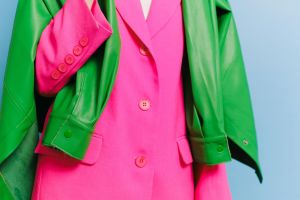
When it comes to bold outfits, such as bright colors or bold patterns, it’s important to choose neutral accessories that will complement rather than compete with the outfit. Neutral accessories include colors like black, white, beige, gray, and metallics like gold and silver. These colors are versatile and can be paired with almost any outfit.
For example, if you’re wearing a bright red dress, consider pairing it with black or nude heels and a simple gold necklace. This will allow the dress to be the focal point of the outfit while the accessories add a touch of sophistication. Similarly, if you’re wearing a bold floral print top, opt for a pair of white sneakers and a silver bracelet to keep the focus on the top.
Neutral accessories can also help tone down a bold outfit if you feel like it’s too overwhelming. For instance, if you’re wearing a colorful striped skirt, adding a black belt and a pair of white sandals can help balance out the look and make it more wearable for everyday occasions.
When choosing neutral accessories, consider the material and texture as well. For example, a black leather handbag can add a touch of edge to a bold outfit, while a beige straw hat can give it a more relaxed and summery vibe. Mixing different textures can add depth and interest to your outfit without overpowering it.
Another tip to keep in mind when pairing neutral accessories with bold outfits is to consider the occasion. For a casual daytime look, opt for simple and understated accessories like a dainty necklace or stud earrings. For a more formal event, you can go for statement accessories like a chunky bracelet or oversized earrings to add a touch of glamour to your outfit.
In conclusion, matching neutral accessories with bold outfits is all about finding the right balance. By choosing neutral colors that complement rather than compete with your outfit, you can create a harmonious and stylish look that is sure to turn heads. Remember to consider the material, texture, and occasion when selecting your accessories to ensure that they enhance your outfit rather than overpower it. With these tips in mind, you can confidently mix and match your accessories to create a look that is uniquely you.
Monochromatic Matching
Accessories are a great way to add personality and style to any outfit. However, it can be easy to go overboard and end up with a look that is too matchy-matchy. Finding the right balance between your accessories and your outfit is key to creating a cohesive and stylish look. One way to achieve this balance is through monochromatic matching.
Monochromatic matching involves choosing accessories that are in the same color family as your outfit. This creates a harmonious and polished look without being too overwhelming. For example, if you are wearing a navy blue dress, you could opt for accessories in shades of blue such as sapphire, cobalt, or even turquoise. This creates a cohesive look that is visually appealing without being too monotonous.
When it comes to monochromatic matching, it’s important to pay attention to the undertones of the colors you are working with. For example, if you are wearing a warm-toned outfit in shades of red or orange, you should choose accessories with warm undertones as well. This will ensure that your accessories complement your outfit rather than clash with it.
Another tip for monochromatic matching is to vary the textures of your accessories. Mixing different textures adds depth and interest to your outfit, making it more visually appealing. For example, if you are wearing a silk blouse, you could pair it with a leather handbag and suede shoes. This creates a dynamic look that is both stylish and sophisticated.
When it comes to jewelry, monochromatic matching can be achieved by choosing pieces that are in the same metal family as your outfit. For example, if you are wearing a gold-toned dress, you could opt for gold jewelry such as a statement necklace or a pair of hoop earrings. This creates a cohesive look that ties your outfit together seamlessly.
When it comes to shoes and handbags, monochromatic matching can be achieved by choosing accessories in the same color family as your outfit. For example, if you are wearing a black dress, you could opt for black shoes and a black handbag. This creates a streamlined look that is both chic and sophisticated.
Overall, monochromatic matching is a great way to create a cohesive and stylish look without overmatching. By choosing accessories that are in the same color family as your outfit and paying attention to the undertones and textures of the colors you are working with, you can achieve a polished and sophisticated look that is sure to turn heads. So next time you are putting together an outfit, consider incorporating monochromatic matching into your accessory choices for a look that is both stylish and balanced.
Complementary Colors
Accessories are a great way to add personality and style to any outfit. Whether you’re dressing up for a special occasion or just want to elevate your everyday look, the right accessories can make all the difference. However, it can be tricky to match accessories with outfits without overmatching. One key to achieving a balanced and cohesive look is to consider the colors you’re working with.
When it comes to color coordination, one of the most foolproof methods is to use complementary colors. Complementary colors are pairs of colors that are opposite each other on the color wheel. These colors create a dynamic contrast that can make your outfit pop without looking too matchy-matchy.
For example, if you’re wearing a navy blue dress, consider adding a pop of color with a mustard yellow clutch or a pair of coral earrings. The contrast between the navy blue and the complementary color will create a visually appealing look that is both stylish and sophisticated.
Another way to incorporate complementary colors into your outfit is to use accessories that feature a mix of complementary colors. For instance, a scarf with a print that combines shades of purple and yellow can add a fun and unexpected twist to a simple black dress.
When choosing complementary colors for your accessories, it’s important to consider the overall color scheme of your outfit. If you’re wearing a bold and colorful outfit, opt for accessories in neutral tones to balance out the look. On the other hand, if your outfit is more understated, don’t be afraid to go for accessories in vibrant complementary colors to add a pop of interest.
Remember, the key to successfully matching accessories with outfits is to strike a balance between coordinating colors and creating contrast. By incorporating complementary colors into your accessories, you can create a cohesive and stylish look that is sure to turn heads.
In addition to complementary colors, you can also experiment with analogous colors when accessorizing your outfit. Analogous colors are colors that are next to each other on the color wheel and create a harmonious and cohesive look when paired together.
For example, if you’re wearing a green dress, consider adding accessories in shades of blue or yellow to create a seamless and polished look. Analogous colors can help tie your outfit together and create a sense of unity that is both visually appealing and stylish.
When using analogous colors in your accessories, don’t be afraid to mix and match different shades and tones. For instance, a statement necklace that features varying shades of blue and green can add depth and dimension to a monochromatic outfit.
Ultimately, the key to successfully matching accessories with outfits is to have fun and experiment with different color combinations. Whether you opt for complementary colors or analogous colors, the most important thing is to choose accessories that make you feel confident and express your personal style.
By following these simple tips and tricks, you can create a perfectly balanced and coordinated look that is sure to make a statement wherever you go. So go ahead, play with color, and let your accessories shine!
Using Color Wheel for Coordination
Accessories are a great way to add personality and style to any outfit. Whether it’s a statement necklace, a bold pair of earrings, or a fun scarf, accessories can take your look to the next level. However, it can be tricky to match accessories with your outfit without overmatching. One way to ensure that your accessories complement your outfit without being too matchy-matchy is to use the color wheel for coordination.
The color wheel is a handy tool that can help you determine which colors work well together. By understanding the basics of color theory, you can create a cohesive and balanced look that is visually appealing. Here are some tips on how to use the color wheel to match accessories with your outfits.
When using the color wheel for coordination, it’s important to understand the different color schemes. Complementary colors are opposite each other on the color wheel and create a bold and striking look when paired together. Analogous colors are next to each other on the color wheel and create a harmonious and cohesive look when paired together. Triadic colors are evenly spaced around the color wheel and create a balanced and vibrant look when paired together.
To create a balanced and coordinated look, choose accessories that are in the same color family as your outfit. For example, if you’re wearing a blue dress, you could pair it with a navy clutch and silver earrings. This creates a monochromatic look that is chic and sophisticated. If you want to add a pop of color, you could choose accessories in a complementary color, such as a red belt or yellow shoes.
Another way to use the color wheel for coordination is to choose accessories in a contrasting color. For example, if you’re wearing a black and white outfit, you could add a pop of color with a bright red handbag or a pair of turquoise earrings. This creates a bold and eye-catching look that is sure to turn heads.
When using the color wheel for coordination, it’s important to consider the intensity of the colors. If you’re wearing a bright and bold outfit, you may want to choose accessories in a more muted or neutral color to balance out the look. Conversely, if you’re wearing a neutral outfit, you could choose accessories in a bright and vibrant color to add interest and personality.
In addition to using the color wheel for coordination, it’s also important to consider the texture and style of your accessories. For example, if you’re wearing a casual outfit, you may want to choose accessories that are more laid-back and relaxed, such as a boho-inspired necklace or a pair of leather sandals. If you’re wearing a formal outfit, you may want to choose accessories that are more elegant and sophisticated, such as a statement necklace or a pair of heels.
Overall, using the color wheel for coordination is a great way to match accessories with your outfits without overmatching. By understanding the basics of color theory and experimenting with different color schemes, you can create a cohesive and balanced look that is stylish and on-trend. So next time you’re getting dressed, don’t be afraid to play with color and have fun with your accessories!
Statement Piece with Neutral Outfits
Accessories are a great way to add personality and style to any outfit. Whether you’re dressing up for a special occasion or just heading out for a casual day, the right accessories can make all the difference. However, it can be easy to go overboard and end up with a look that is too busy or overwhelming. One key to successfully matching accessories with outfits is to find the right balance of colors. In this guide, we’ll explore how to match accessories with outfits without overmatching, focusing on how to incorporate a statement piece with neutral outfits.
When it comes to accessorizing a neutral outfit, the key is to choose one statement piece that will stand out without overpowering the rest of your look. This could be a bold necklace, a colorful scarf, or a statement handbag. By choosing just one standout accessory, you can create a cohesive and balanced look that is both stylish and sophisticated.
When selecting a statement piece to pair with a neutral outfit, consider the color balance. If you’re wearing a neutral outfit in shades of black, white, or gray, opt for a statement piece in a bold color that will pop against the neutral backdrop. For example, a bright red handbag or a statement necklace in turquoise can add a vibrant touch to an otherwise monochromatic outfit.
On the other hand, if you’re wearing a neutral outfit in earth tones like beige, tan, or olive green, consider choosing a statement piece in a complementary color. A statement necklace in shades of gold or bronze can add warmth and richness to a neutral outfit, while a handbag in a deep burgundy or navy can provide a sophisticated contrast.
When it comes to matching accessories with outfits, it’s important to consider the overall color palette. If you’re wearing a neutral outfit with a statement piece in a bold color, try to incorporate that color elsewhere in your accessories. For example, if you’re wearing a red handbag, consider adding a pair of red earrings or a red bracelet to tie the look together.
Alternatively, if you’re wearing a statement piece in a metallic finish like gold or silver, try to match your other accessories to that metal tone. This will create a cohesive and polished look that is both stylish and sophisticated.
Remember, the key to successfully matching accessories with outfits is to find the right balance. By choosing one statement piece to stand out against a neutral backdrop and coordinating your other accessories to complement that piece, you can create a stylish and cohesive look that is sure to turn heads. So next time you’re getting dressed, don’t be afraid to experiment with different accessories and colors to find the perfect balance for your outfit.
Playing with Textures and Patterns
Accessories are a great way to add personality and style to any outfit. However, it can be easy to go overboard and end up with a look that is too matchy-matchy. One way to avoid this is by playing with textures and patterns to create a balanced and cohesive look.
When it comes to mixing textures, the key is to choose pieces that complement each other rather than compete. For example, if you are wearing a chunky knit sweater, you may want to pair it with a smooth leather bag or a delicate silk scarf. This contrast in textures adds visual interest to your outfit without overwhelming it.
Another way to play with textures is to mix different materials within the same color family. For example, you could pair a wool coat with a cashmere scarf and leather gloves in varying shades of grey. This creates a sophisticated and layered look that is visually appealing.
Patterns can also add depth and dimension to an outfit when done correctly. The key to mixing patterns is to choose pieces that have a similar color palette or scale. For example, if you are wearing a striped shirt, you could pair it with a floral scarf in coordinating colors. This creates a harmonious look that is visually interesting without being overwhelming.
When mixing patterns, it is important to pay attention to scale. Mixing large-scale patterns with small-scale patterns can create a visually jarring effect. Instead, try to stick to patterns that are similar in size or choose one dominant pattern and one subtle pattern to create a balanced look.
If you are new to mixing textures and patterns, start small by incorporating one textured or patterned accessory into your outfit. For example, you could add a statement belt or a printed scarf to a simple jeans and t-shirt ensemble. This allows you to experiment with different combinations without feeling overwhelmed.
As you become more comfortable with mixing textures and patterns, don’t be afraid to take risks and try new combinations. Mixing unexpected textures and patterns can create a unique and personalized look that sets you apart from the crowd.
Remember, the key to successfully mixing textures and patterns is to keep the rest of your outfit simple and let your accessories take center stage. Avoid overloading your look with too many competing elements and instead focus on creating a cohesive and balanced ensemble.
In conclusion, playing with textures and patterns is a fun and creative way to add interest to your outfits without overmatching. By choosing pieces that complement each other and paying attention to scale and color, you can create a balanced and cohesive look that is uniquely you. So go ahead, experiment with different textures and patterns, and let your accessories shine!
Conclusion
When matching accessories with outfits, it is important to consider the color balance to avoid overmatching. To achieve a harmonious look, choose accessories that complement the dominant color of your outfit rather than matching it exactly. This can be done by selecting accessories in a complementary or contrasting color, or by opting for neutral accessories that will not compete with the overall look. By following these guidelines, you can create a stylish and balanced outfit without overmatching.






Add comment