
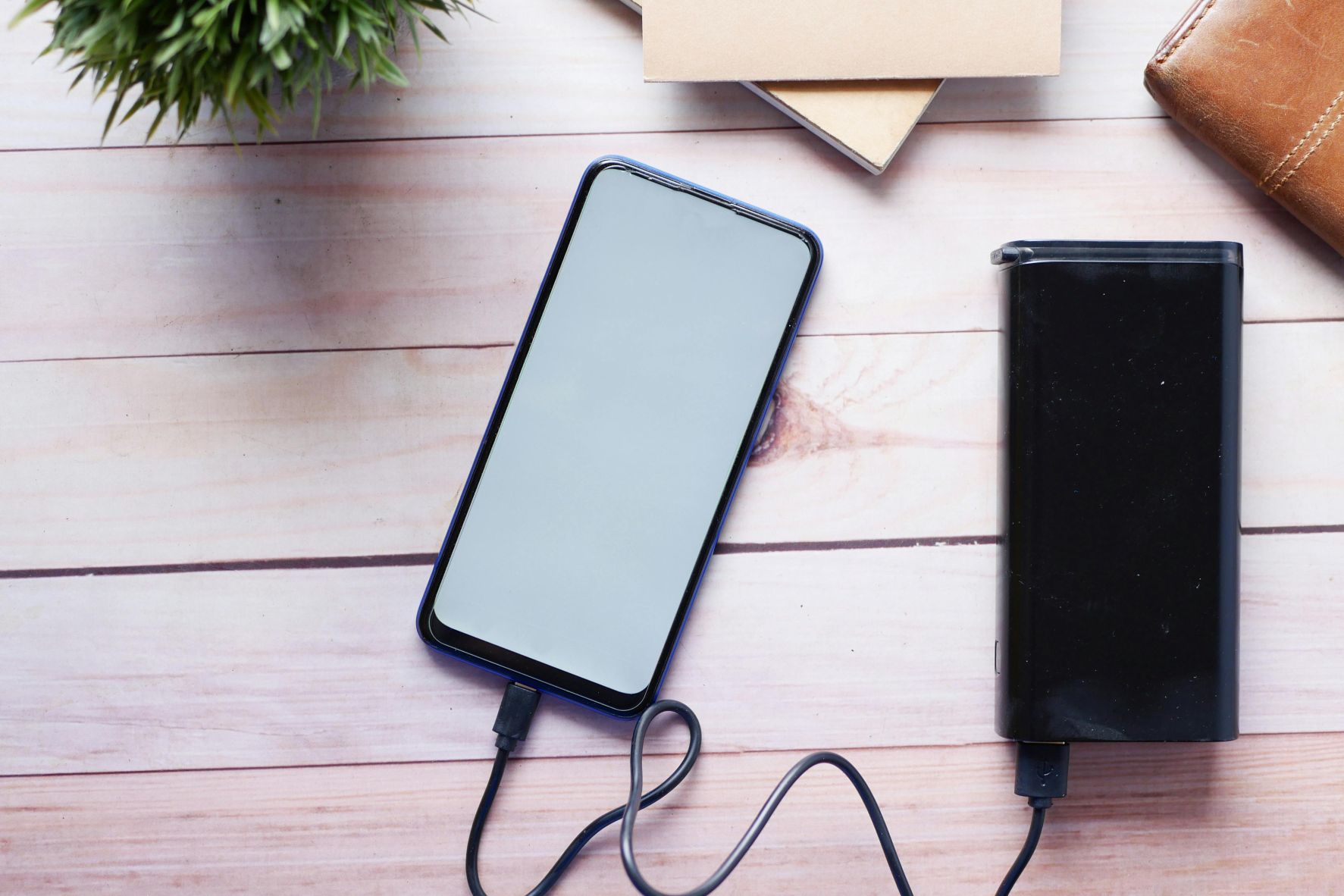
How to Choose the Right Power Bank Capacity (mAh) Based on Your Daily Needs
“Power up your day with the perfect mAh capacity for your on-the-go lifestyle.”
Introduction:
Choosing the right power bank capacity (mAh) is crucial to ensure that your devices stay charged throughout the day. By understanding your daily needs and usage patterns, you can select a power bank with the appropriate capacity to keep your devices powered up when you need them most. Here are some tips on how to choose the right power bank capacity based on your daily needs.
Factors to Consider When Choosing Power Bank Capacity
Are you tired of your phone dying on you when you need it the most? If so, investing in a power bank is a great solution to keep your devices charged on the go. However, with so many options available on the market, it can be overwhelming to choose the right power bank capacity for your daily needs. In this article, we will discuss the factors to consider when selecting the right power bank capacity (mAh) to ensure that you never run out of battery again.
The first factor to consider when choosing a power bank capacity is the number of devices you plan to charge. If you only need to charge one device, a power bank with a lower capacity may be sufficient. However, if you have multiple devices that need to be charged, such as a phone, tablet, and smartwatch, you will need a power bank with a higher capacity to ensure that all your devices stay powered throughout the day.
Another important factor to consider is the battery capacity of your devices. Different devices have different battery capacities, so it is essential to choose a power bank with a capacity that is compatible with your devices. For example, if you have a phone with a 3000mAh battery, a power bank with a capacity of at least 3000mAh would be ideal to fully charge your phone.
Additionally, consider your daily usage habits when selecting a power bank capacity. If you are a heavy user who relies on your devices for work or entertainment throughout the day, a power bank with a higher capacity would be more suitable to ensure that your devices stay charged. On the other hand, if you only need a power bank for emergencies or occasional use, a lower capacity power bank may be sufficient for your needs.
It is also important to consider the size and weight of the power bank when choosing the right capacity. A power bank with a higher capacity will typically be larger and heavier, which may not be ideal for carrying around in your pocket or bag. If portability is a priority for you, opt for a power bank with a lower capacity that is more compact and lightweight.
Lastly, consider the charging speed of the power bank when selecting the right capacity. Some power banks come with fast charging capabilities, which can significantly reduce the time it takes to charge your devices. If you are always on the go and need to quickly top up your devices, a power bank with fast charging capabilities would be a great investment.
In conclusion, choosing the right power bank capacity is essential to ensure that your devices stay charged when you need them the most. Consider factors such as the number of devices you plan to charge, the battery capacity of your devices, your daily usage habits, the size and weight of the power bank, and the charging speed when selecting the right capacity. By taking these factors into account, you can find the perfect power bank that meets your daily needs and keeps your devices powered throughout the day.
Matching Power Bank Capacity with Your Device’s Battery Size
Are you tired of constantly running out of battery on your phone or other devices while you’re on the go? A power bank can be a lifesaver in these situations, but with so many options available, it can be overwhelming to choose the right one. One of the most important factors to consider when selecting a power bank is its capacity, which is measured in milliampere-hours (mAh). In this article, we’ll discuss how to choose the right power bank capacity based on your daily needs.
The first step in selecting the right power bank capacity is to consider the battery size of the device you’ll be charging. Most smartphones have batteries ranging from 2000mAh to 4000mAh, while tablets and laptops typically have larger batteries. To ensure that your power bank can fully charge your device, it’s important to choose a power bank with a capacity that is equal to or greater than the battery size of your device.
For example, if you have a smartphone with a 3000mAh battery, you’ll want to choose a power bank with a capacity of at least 3000mAh to ensure that you can fully charge your device. If you have a tablet with a 6000mAh battery, you’ll need a power bank with a capacity of at least 6000mAh. Choosing a power bank with a capacity that matches or exceeds the battery size of your device will ensure that you can charge your device multiple times before needing to recharge the power bank.
In addition to considering the battery size of your device, it’s also important to think about how often you’ll be using your power bank and how many devices you’ll be charging. If you’re someone who is constantly on the go and relies heavily on your devices throughout the day, you may want to choose a power bank with a larger capacity to ensure that you have enough power to last you all day.
On the other hand, if you only need a power bank for occasional use or for emergencies, a smaller capacity power bank may be sufficient for your needs. It’s important to strike a balance between choosing a power bank with enough capacity to meet your daily needs without overpaying for a power bank that is larger than necessary.
Another factor to consider when choosing the right power bank capacity is the charging speed of your device. Some devices, such as newer smartphones and tablets, support fast charging, which allows them to charge at a faster rate than standard devices. If you have a device that supports fast charging, you may want to choose a power bank with a higher capacity to take advantage of this feature and ensure that your device charges quickly.
In conclusion, choosing the right power bank capacity is essential to ensure that you have enough power to keep your devices charged throughout the day. By considering the battery size of your device, how often you’ll be using your power bank, and the charging speed of your device, you can select a power bank with the perfect capacity to meet your daily needs. With the right power bank by your side, you’ll never have to worry about running out of battery again.
Understanding the Relationship Between mAh and Charging Speed
Are you tired of constantly running out of battery on your phone or other devices while you’re on the go? If so, investing in a power bank can be a game-changer. However, with so many options available on the market, it can be overwhelming to choose the right one for your needs. One of the most important factors to consider when selecting a power bank is its capacity, which is measured in milliampere-hours (mAh). Understanding the relationship between mAh and charging speed can help you make an informed decision that will keep your devices powered up throughout the day.
In simple terms, the capacity of a power bank determines how much charge it can hold. The higher the mAh rating, the more power the power bank can store. This means that a power bank with a higher mAh capacity will be able to charge your devices multiple times before needing to be recharged itself. However, it’s important to note that the capacity of a power bank does not directly affect its charging speed.
When it comes to charging speed, the output of the power bank is what matters most. The output is measured in volts and amps, and it determines how quickly your devices will charge. A power bank with a higher output will charge your devices faster, regardless of its mAh capacity. So, if you’re looking for a power bank that can quickly top up your phone or tablet, make sure to pay attention to the output specifications rather than just focusing on the mAh rating.
That being said, the mAh capacity of a power bank is still an important factor to consider, especially if you have multiple devices that need to be charged throughout the day. To determine the right mAh capacity for your needs, think about how often you’ll be using the power bank and how many devices you’ll be charging. If you’re a heavy user who relies on your devices for work or entertainment, a power bank with a higher mAh capacity (such as 10,000mAh or more) may be the best option for you. This will ensure that you have enough power to keep your devices running all day long without having to constantly recharge the power bank itself.
On the other hand, if you only need a power bank for occasional use or to top up your phone in emergencies, a lower mAh capacity (around 5,000mAh) may be sufficient for your needs. This will give you enough power to charge your phone once or twice before needing to recharge the power bank. Keep in mind that smaller power banks are also more portable and lightweight, making them ideal for travel or everyday use.
In conclusion, when choosing a power bank, it’s important to consider both the mAh capacity and the output specifications. While the mAh capacity determines how much charge the power bank can hold, the output determines how quickly your devices will charge. By understanding the relationship between mAh and charging speed, you can select a power bank that meets your daily needs and keeps your devices powered up wherever you go.
Determining Your Daily Power Consumption to Select the Right Capacity
Are you tired of constantly running out of battery on your phone or other devices while you’re on the go? If so, investing in a power bank can be a game-changer. However, with so many options available on the market, it can be overwhelming to choose the right one for your needs. One of the most important factors to consider when selecting a power bank is its capacity, which is measured in milliampere-hours (mAh). In this article, we will discuss how to determine your daily power consumption to select the right power bank capacity for your needs.
To begin, it’s important to understand how much power your devices consume on a daily basis. Take a look at the battery capacity of each device you plan to charge with the power bank. For example, if your phone has a battery capacity of 3000mAh and your tablet has a battery capacity of 5000mAh, you will need a power bank with a capacity of at least 8000mAh to fully charge both devices.
Next, consider how often you will be using your devices throughout the day. If you are a heavy user who is constantly on your phone or tablet, you will likely need a power bank with a higher capacity to ensure that you can stay charged throughout the day. On the other hand, if you only use your devices sparingly, a power bank with a lower capacity may be sufficient for your needs.
It’s also important to consider the efficiency of the power bank when determining the right capacity for your needs. Not all power banks are created equal, and some may have a lower efficiency rating than others. This means that a power bank with a higher capacity may not necessarily provide more charges than a power bank with a lower capacity if it is less efficient.
In addition to considering your daily power consumption, it’s also important to think about the size and weight of the power bank. If you plan to carry the power bank with you on a daily basis, you will want to choose one that is compact and lightweight. However, keep in mind that smaller power banks typically have lower capacities, so you may need to strike a balance between size and capacity based on your needs.
When selecting a power bank, it’s also a good idea to choose one with multiple charging ports so that you can charge multiple devices simultaneously. This can be especially useful if you have multiple devices that need to be charged throughout the day.
In conclusion, choosing the right power bank capacity based on your daily needs is essential to ensure that you can stay charged while on the go. By considering factors such as your daily power consumption, the efficiency of the power bank, and the size and weight of the device, you can select a power bank that meets your needs and keeps your devices powered up throughout the day.
Tips for Choosing a Portable Charger with Fast Charging Capability
Are you tired of your phone dying on you when you need it the most? Do you find yourself constantly searching for an outlet to charge your devices? If so, a power bank might be the perfect solution for you. Power banks, also known as portable chargers, are a convenient way to keep your devices charged on the go. However, with so many options available on the market, it can be overwhelming to choose the right one for your needs. One of the most important factors to consider when selecting a power bank is its capacity, measured in milliampere-hours (mAh). In this article, we will discuss how to choose the right power bank capacity based on your daily needs.
When it comes to power bank capacity, the higher the mAh rating, the more power the power bank can store. This means that a power bank with a higher mAh rating will be able to charge your devices multiple times before needing to be recharged itself. However, it’s important to note that a higher capacity power bank will also be larger and heavier, so you’ll need to consider how portable you need your power bank to be.
To determine the right power bank capacity for your daily needs, start by considering how many devices you need to charge and how often you’ll be away from a power source. If you only need to charge one device occasionally, a power bank with a capacity of 5000-10000 mAh should be sufficient. This size power bank is compact and lightweight, making it easy to carry in your pocket or bag.
If you have multiple devices or need to charge your devices frequently throughout the day, you’ll want to opt for a power bank with a capacity of 10000-20000 mAh. This size power bank will be able to charge your devices multiple times before needing to be recharged itself, making it ideal for heavy users or those who are frequently on the go.
For power users who rely heavily on their devices and need to charge multiple devices multiple times throughout the day, a power bank with a capacity of 20000 mAh or higher is recommended. This size power bank will be able to keep your devices charged for days at a time, making it perfect for travelers, outdoor enthusiasts, or anyone who needs to stay connected at all times.
In addition to capacity, it’s also important to consider the charging speed of the power bank. Some power banks come with fast charging capabilities, which can significantly reduce the amount of time it takes to charge your devices. If you’re always in a hurry and need to quickly top up your devices, look for a power bank with fast charging capability.
When choosing a power bank with fast charging capability, make sure to check the output voltage and current ratings. A power bank with higher output voltage and current ratings will be able to charge your devices faster than one with lower ratings. Additionally, look for power banks that support technologies like Qualcomm Quick Charge or USB Power Delivery, which are designed to deliver fast charging speeds to compatible devices.
In conclusion, choosing the right power bank capacity based on your daily needs is essential to ensure that your devices stay charged when you need them the most. Consider how many devices you need to charge, how often you’ll be away from a power source, and whether you need fast charging capabilities. By taking these factors into account, you’ll be able to select a power bank that meets your needs and keeps your devices powered up throughout the day.
Selecting the Ideal Power Bank Capacity for Your Daily Charging Needs
Are you tired of constantly running out of battery on your phone or other devices while you’re on the go? A power bank can be a lifesaver in these situations, but with so many options available, it can be overwhelming to choose the right one for your needs. One of the most important factors to consider when selecting a power bank is its capacity, which is measured in milliampere-hours (mAh). In this article, we’ll discuss how to choose the right power bank capacity based on your daily charging needs.
First and foremost, it’s important to understand what mAh actually means. In simple terms, mAh is a unit of measurement that indicates how much energy a battery can store. The higher the mAh rating, the more energy the battery can hold, and the longer it can power your devices. When choosing a power bank, you’ll want to consider how much capacity you need based on how often you’ll be using it and what devices you’ll be charging.
If you’re someone who only needs to charge your phone once a day, a power bank with a capacity of around 3000-5000mAh should be sufficient. This will give you enough power to fully charge your phone at least once, with a little extra juice left over for emergencies. However, if you’re a heavy user who relies on your phone for work or entertainment throughout the day, you may want to opt for a power bank with a higher capacity, such as 10000mAh or more. This will ensure that you have enough power to keep your devices running all day long without having to worry about running out of battery.
Another factor to consider when choosing a power bank capacity is the number of devices you’ll be charging. If you only need to charge one device at a time, a lower capacity power bank should be sufficient. However, if you often find yourself needing to charge multiple devices simultaneously, you’ll want to choose a power bank with a higher capacity to ensure that you have enough power to go around.
It’s also worth considering the type of devices you’ll be charging with your power bank. Different devices have different battery capacities, so you’ll need to take this into account when choosing a power bank. For example, if you have a tablet with a larger battery capacity than your phone, you’ll need a power bank with a higher capacity to ensure that you can fully charge both devices.
In addition to considering your daily charging needs, it’s also important to think about how portable you want your power bank to be. Higher capacity power banks are generally larger and heavier than lower capacity ones, so if you’re looking for something that’s easy to carry around in your pocket or bag, you may want to opt for a smaller capacity power bank.
In conclusion, choosing the right power bank capacity is essential to ensure that you have enough power to keep your devices running throughout the day. By considering factors such as your daily charging needs, the number of devices you’ll be charging, and the type of devices you’ll be charging, you can select a power bank with the perfect capacity for your needs. So next time you’re in the market for a power bank, be sure to keep these tips in mind to make the best choice for your charging needs.
Conclusion
When choosing the right power bank capacity (mAh) based on your daily needs, consider the following factors: the number of devices you need to charge, the battery capacity of those devices, and how often you will be away from a power source. It is recommended to choose a power bank with a capacity that is at least equal to or higher than the total battery capacity of the devices you plan to charge. This will ensure that you have enough power to keep your devices charged throughout the day. Additionally, consider the size and weight of the power bank, as larger capacities typically result in larger and heavier power banks. Ultimately, the right power bank capacity for you will depend on your specific usage habits and charging needs.







Add comment